Comment prévenir la rouille sur les lames mécaniques en stock ? Les détails les plus souvent négligés
Jun 01, 2026
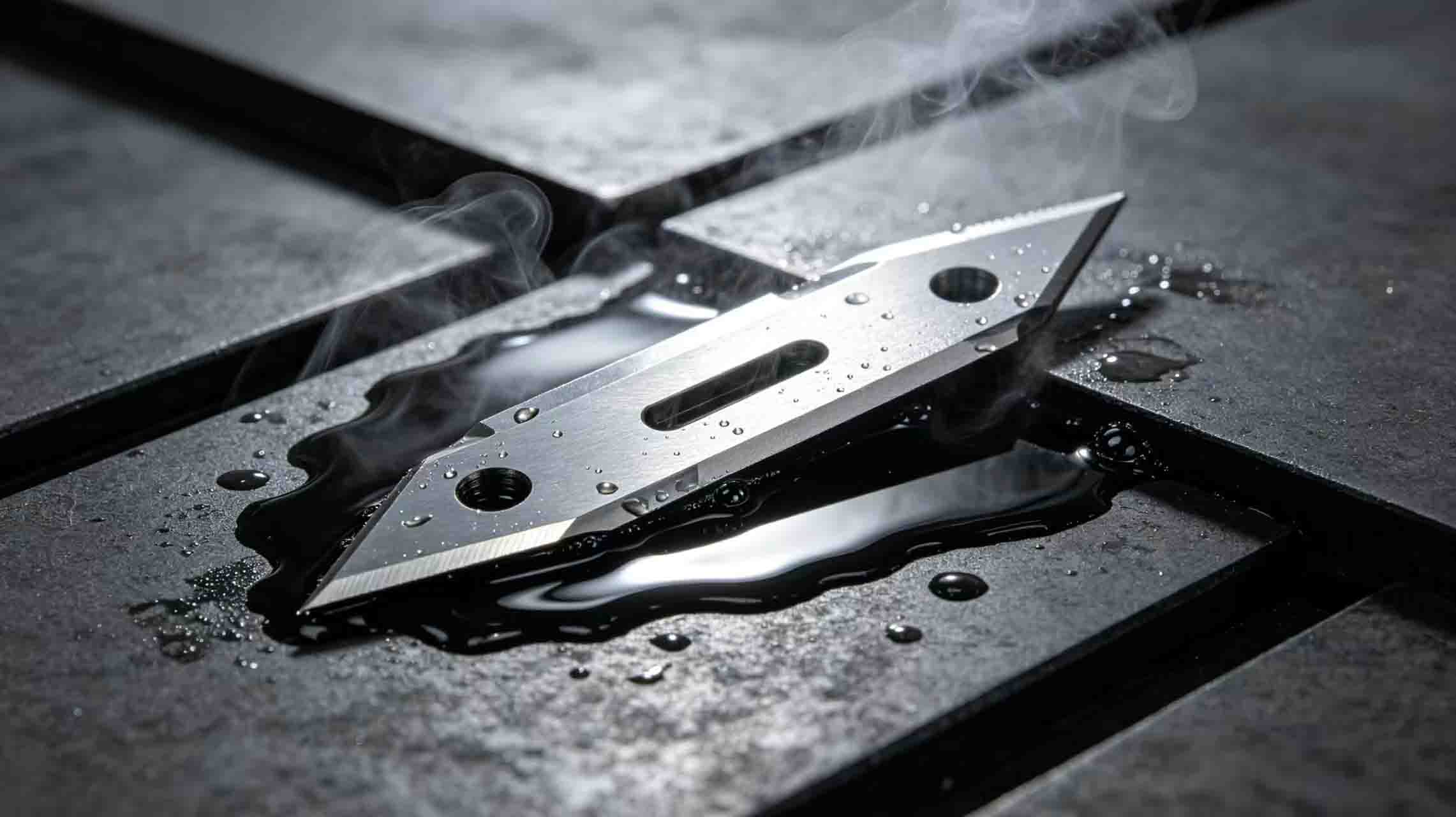
Pour Gestion de la prévention de la corrosion des lames mécaniques en stockDe nombreux utilisateurs se concentrent uniquement sur les lames en cours d'utilisation et négligent la phase d'inventaire. lame de refendage de précision ou lame circulaire de haute précision Les outils peuvent souvent rouiller et être mis au rebut prématurément en raison d'un stockage inadéquat. Forte de plusieurs années d'expérience en entreposage, la société Mingbai Mechanical Tool Technology Co., Ltd. présente un récapitulatif complet des mesures de prévention contre la rouille, en insistant particulièrement sur les détails les plus souvent négligés. 1. Nature et nocivité de la rouille des lames Les lames mécaniques sont principalement fabriquées en acier à haute teneur en carbone, en acier rapide ou en acier à haute teneur en carbone. lames en alliageCes matériaux ont une teneur élevée en carbone et s'oxydent et rouillent très facilement en milieu humide. Une fois la rouille apparue : Les piqûres de rouille sur le bord provoquent des défauts de coupe et des rebuts directs.La rouille superficielle affecte la planéité, provoquant un voile excessif après l'installation.· L'expansion de la rouille réduit la résistance de la lame, créant des risques pour la sécurité. 2. Six détails de prévention contre la rouille souvent négligés 1. Omission d'éliminer complètement les empreintes digitales avant le stockage De nombreux opérateurs gèrent lames en acier inoxydable À mains nues, la transpiration, riche en sel et en acides gras, laisse des traces de doigts sur la lame. Au microscope, ces traces présentent des contours irréguliers, et la rouille s'y forme par temps humide. Il est donc recommandé de porter des gants en nitrile ou non tissés, ou de nettoyer la lame avec de l'alcool avant de la ranger. 2. Choix inapproprié des matériaux d'emballage Les boîtes en carton ordinaires, la mousse et les planches de bois absorbent l'humidité de l'air et peuvent libérer des substances acides. Stockage lames personnalisées Le contact prolongé avec ce type d'emballage accélère la corrosion. Il est recommandé d'utiliser du papier antirouille ou des sachets contenant un inhibiteur de corrosion en phase vapeur (VCI) pour l'emballage, puis de les placer dans des conteneurs en plastique secs et hermétiques. 3. Négliger la « condensation par différence de température » Lorsque la température de l'entrepôt fluctue fortement entre le jour et la nuit, la température de surface des pales chute en dessous du point de rosée, formant de minuscules gouttelettes d'eau invisibles à l'œil nu. Les pales circulaires ultra-minces ont une faible capacité thermique et sont donc plus sujettes à la condensation. La solution consiste à maintenir l'entrepôt à une température constante (15-25 °C) ou à stocker les pales dans des armoires hermétiques avec un dessiccant. 4. Application irrégulière de l'huile antirouille De nombreux utilisateurs trempent les lames de leur coupe-lames dans de l'huile antirouille, puis ne font rien après les avoir retirées. L'excès d'huile attire la poussière et forme une sorte de « boue huileuse » qui perturbe la continuité du film d'huile. La bonne pratique consiste à essuyer l'excédent d'huile avec un chiffon non pelucheux après application, en ne laissant qu'une fine couche uniforme. 5. Mélange de lames de matériaux différents Les lames en carbure ne rouillent pas, mais le contact avec des lames en acier rapide accélère la corrosion galvanique. En milieu humide, les deux matériaux forment une pile galvanique, et l'anode (acier rapide) se corrode plus rapidement. Il est donc recommandé de ranger les lames de matériaux différents dans des armoires séparées, en évitant tout contact direct. 6. Absence de mise en place d'une gestion des stocks selon la méthode « FIFO » Si un lot de lames est stocké trop longtemps, même avec des mesures antirouille, l'huile antirouille finira par se dégrader progressivement. perte d'efficacitéLes lames traitées thermiquement sous vide présentent une activité de surface élevée et sont plus sensibles à l'oxydation. Il est recommandé d'indiquer la date de stockage. Les lames non utilisées pendant plus de six mois doivent être huilées à nouveau ou conditionnées sous vide. 3. Procédure standard de prévention de la rouille (six étapes) 1. NettoyageEnlever l'huile, les empreintes digitales et les résidus de coupe avec de l'alcool ou un nettoyant.2. SéchageSéchez au sèche-cheveux à air chaud ou à l'air libre pendant 30 minutes pour éliminer toute trace d'humidité.3. Application d'huileChoisissez une huile antirouille de haute qualité (par exemple, Shell, Mobil) et appliquez-la uniformément avec un chiffon non pelucheux.4. EmballageEnveloppez-les de papier antirouille VCI, placez-les dans des sacs étanches à l'humidité et scellez-les à chaud.5. Stockage: À placer sur des étagères sèches, à température constante et exemptes de gaz corrosifs, à au moins 20 cm des sols et des murs. 6. InspectionContrôlez ponctuellement une fois par mois. Si le film d'huile a séché ou si des points de rouille apparaissent, intervenez immédiatement. 4. Prévention de la rouille : points clés pour différents matériaux de lames · Lames en acier rapideTrès sensible à la rouille. Doit être huilé et emballé sous vide.· Lames en alliage (carbure)Le substrat ne rouille pas, mais la phase de liant au cobalt peut se lixivier en milieu acide ; protéger des gaz acides et alcalins.· Lames en acier inoxydableBonne résistance à la corrosion, mais appliquer tout de même une fine pellicule d'huile pour un stockage de longue durée et éviter tout mélange avec de l'acier au carbone.· Lames revêtuesLe revêtement lui-même est dense, mais le bord expose le substrat ; il convient donc de se concentrer sur la protection du bord. 5. Méthodes d'élimination de la rouille en cas d'urgence Si les lames de refendage personnalisées présentent déjà de légères traces de rouille : Utilisez une pierre à huile fine (grain 1000 ou plus) avec de l'huile pour polir délicatement les taches de rouille, puis essuyez.· N’utilisez pas de papier de verre ni de meules pour un polissage agressif, car cela endommagerait la géométrie du bord.· Les pièces fortement rouillées (profondeur supérieure à 0,05 mm) doivent être mises au rebut et ne pas être utilisées. 6. Solution d'emballage antirouille de Mingbai Technology Mingbai Mechanical Tool Technology Co., Ltd. offre une triple protection antirouille pour chaque lame expédiée : • Application d'une huile antirouille de haute qualité• Scellage thermique individuel des sachets VCI• Boîte en carton déshydratant et étanche à l'humidité Nous pouvons également fournir Conseils de prévention de la rouille des lames de stock à long terme et des services de rappel d'entretien réguliers sur demande du client. Conclusion La rouille des lames n'est pas un phénomène naturel, mais le résultat d'un manque d'entretien. Des détails négligés – empreintes digitales, emballage, variations de température, mélange de matériaux – sont souvent à l'origine de la rouille. Mingbai Mechanical Tool Technology Co., Ltd. vous recommande de vérifier votre stock en fonction des six points mentionnés dans cet article, afin que chaque lame mécanique reste aussi propre et brillante qu'à l'état neuf avant d'être utilisée sur la machine.https://www.mingbaiblade.com/

 E-mail
: Mb@mingbaiblade.com
E-mail
: Mb@mingbaiblade.com Tel.: +86-13855519988


 Réseau IPv6 pris en charge
|
Plan du site
|
Xml
|
politique de confidentialité
Réseau IPv6 pris en charge
|
Plan du site
|
Xml
|
politique de confidentialité


 fr
fr